
In today’s EV market, the sweet spot for young buyers sits firmly between RMB 200,000 and 300,000. It’s a price range that feels rational rather than impulsive, yet still offers access to mainstream brands and mature electric technology. The downside is that once you start seriously comparing options, choosing becomes harder, not easier.
Narrow that field a little, and two cars are almost impossible to ignore: the Tesla Model 3 and the Zeekr 007 GT. One is a proven veteran—the electric sedan that defined the segment. The other is a newcomer, entering the market with a shooting brake body style and a very different philosophy. When pricing converges, the real question is no longer about acceleration figures or spec sheets, but rather: which one actually fits the lifestyle of young buyers today?
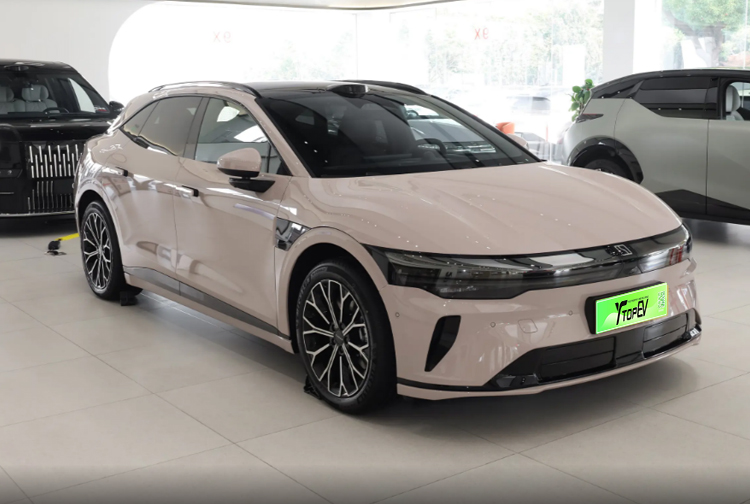
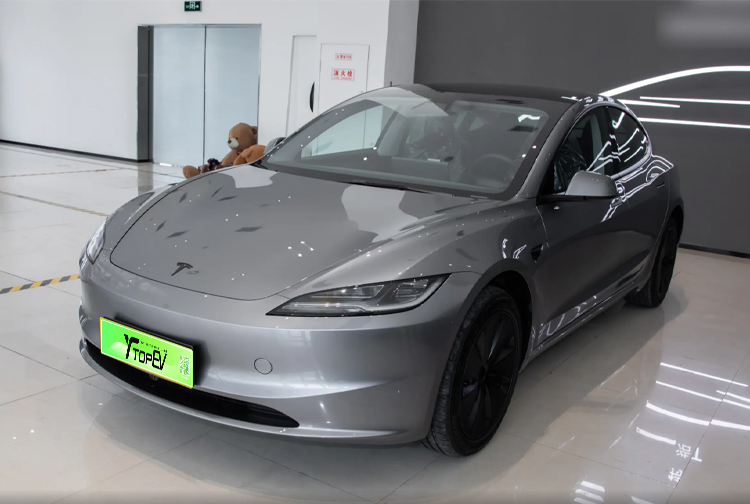
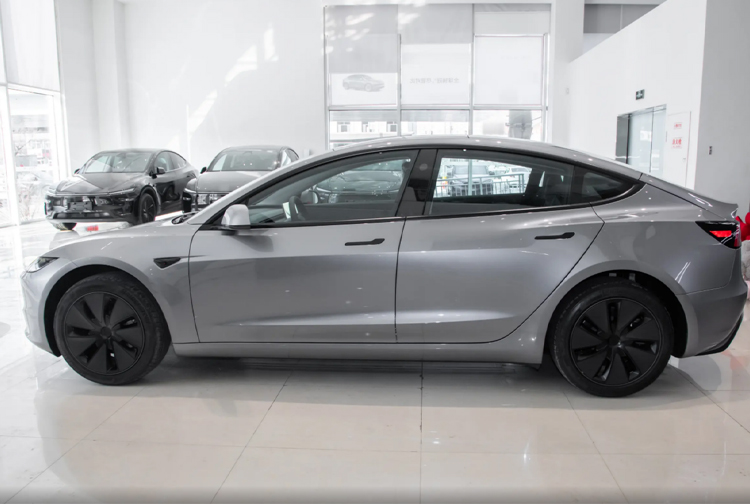
Let’s start with design, because first impressions still matter. The Tesla Model 3 has become the default template for modern EVs: a low nose, arched roofline, and short rear deck. The shape is efficient, aerodynamically sound, and undeniably familiar. Its strength lies in being timeless and safe—but after years with minimal visual changes, that familiarity can also feel repetitive.
Color choices on the Model 3 remain conservative. Truly no-cost paint options are limited, and most distinctive colors require an additional fee. That’s one reason why black and gray Model 3s dominate city streets. If standing out matters to you, the Model 3 doesn’t give you much help.
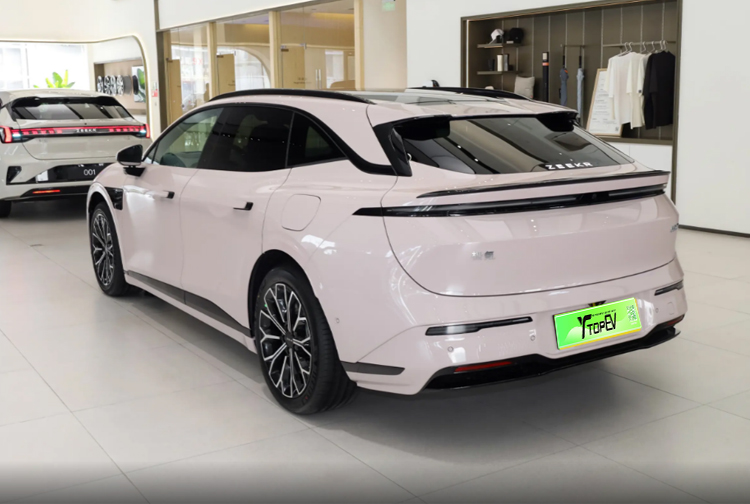
The Zeekr 007 GT takes a completely different approach. As a shooting brake, its proportions instantly set it apart: a lower front end, a longer rear, and a large tailgate opening. With a fully loaded configuration—black exterior, red interior, air suspension, 20-inch GT wheels, and orange four-piston brake calipers—the car sits lower and wider, resembling a performance-oriented touring car rather than a conventional family EV.
More importantly, Zeekr gives buyers far more freedom to express themselves. Multiple exterior colors are available at no extra cost for a limited time, along with bolder interior combinations aimed at users who value personality and visual identity. In today’s market, that level of choice is surprisingly rare.
Once you move past styling, practicality becomes the real differentiator—and this is where body type matters. The shooting brake layout gives the 007 GT a natural advantage. A wider tailgate opening, deeper cargo space, and a flat load floor with the rear seats folded make it far easier to handle camping gear, luggage, or bulky items without compromise.
That advantage carries into everyday usability. The 007 GT offers a large number of storage compartments throughout the cabin, making it easy to find intuitive places for phones, bottles, sunglasses, documents, and small personal items. The Model 3, by comparison, follows a “minimum sufficient” approach. It’s not poorly designed, but when your usage extends beyond commuting to family trips or weekend outings, the difference becomes increasingly noticeable.
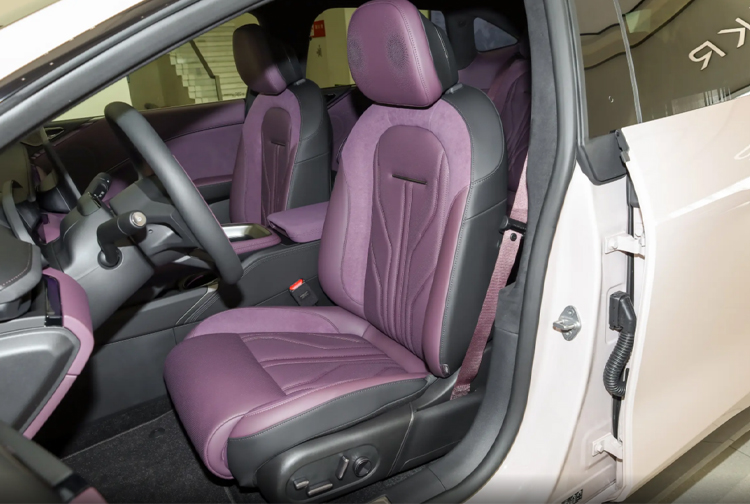
Interior philosophy further highlights the contrast. Zeekr clearly wants the 007 GT to feel like a space you enjoy spending time in. Power-adjustable seats with heating, ventilation, and massage, electric adjustment for rear passengers, a high-output premium sound system, and a dimmable panoramic roof all contribute to a lounge-like atmosphere. It’s designed to be more than transportation—it’s meant to feel like a second living room.
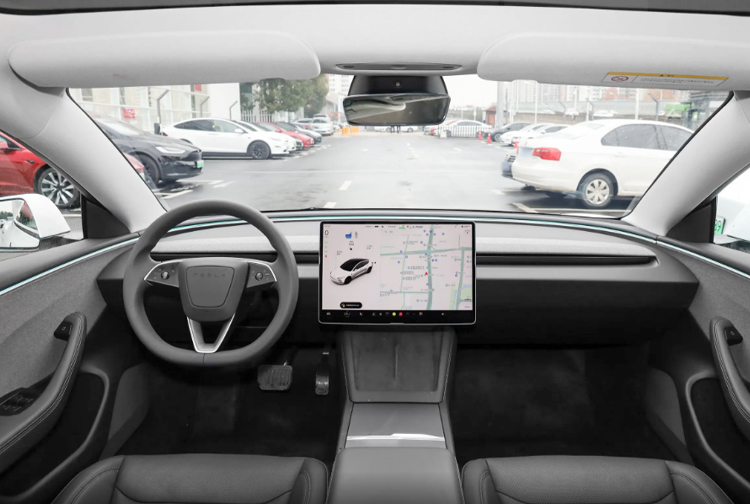
The Model 3 remains true to Tesla’s minimalist ethos. A single central screen controls nearly everything, prioritizing efficiency and simplicity. The system is intuitive and responsive, but it demands adaptation. The cabin feels clean and functional, yet unmistakably tool-like. It gets the job done, without trying to be anything more.
On the road, their personalities diverge just as clearly. The Zeekr 007 GT uses air suspension and adaptive damping to balance comfort and sportiness. In comfort mode, road imperfections are smoothed out, making long drives easy and relaxed. Switch to sport mode, and the suspension tightens noticeably, improving body control and confidence through corners. Launch mode delivers the kind of instant acceleration that many young EV buyers expect.
The Model 3, on the other hand, is unapologetically direct. Its chassis is firm, steering response is sharp, and power delivery is immediate. At speed, it feels agile and engaging—but that engagement comes with more road feedback and less isolation over rough surfaces. Comfort has never been its primary goal.
Charging and driver assistance further reflect two different strategies. The Zeekr 007 GT adopts a “hardware-first” philosophy: an 800V architecture for faster charging and a full suite of advanced driver assistance hardware as standard, including lidar and high-level parking functions. These features prove especially useful in dense urban environments and tight parking scenarios.
Tesla continues with its familiar approach, where advanced capabilities require optional upgrades. Over time, that difference can significantly affect ownership experience, particularly for users who value convenience in daily driving.
So which one is better for young buyers?

The answer isn’t found in specifications alone. The Tesla Model 3 represents a proven, efficient, and predictable choice—a solution that’s been validated by the market time and again. The Zeekr 007 GT, however, tries to be something broader: a commuter, a family car, a weekend escape vehicle, and a statement of personal taste all in one.
When prices are close, the decision is no longer about value for money, but about priorities. Do you want a reliable, efficient tool—or a car that adapts to more aspects of your life?
That distinction is what truly separates the Zeekr 007 GT from the Tesla Model 3.
.jpg)
.jpg)
.jpg)
.jpg)


