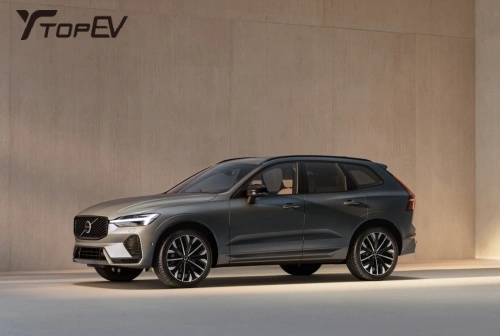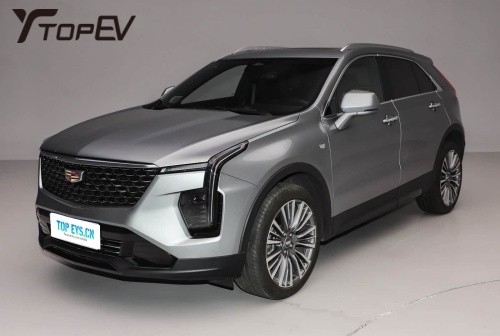
It's no longer a question of if electric vehicles will dominate the roads — it's a question of how fast. In 2025, global EV sales surpassed 17 million units, representing roughly 20% of all new car sales worldwide. That number is climbing. By the end of 2026, analysts at BloombergNEF project that one in four new vehicles sold globally will be electric. For everyday drivers, this shift means real decisions: Should you switch? What does ownership actually look like? And what do you need to know before you buy?
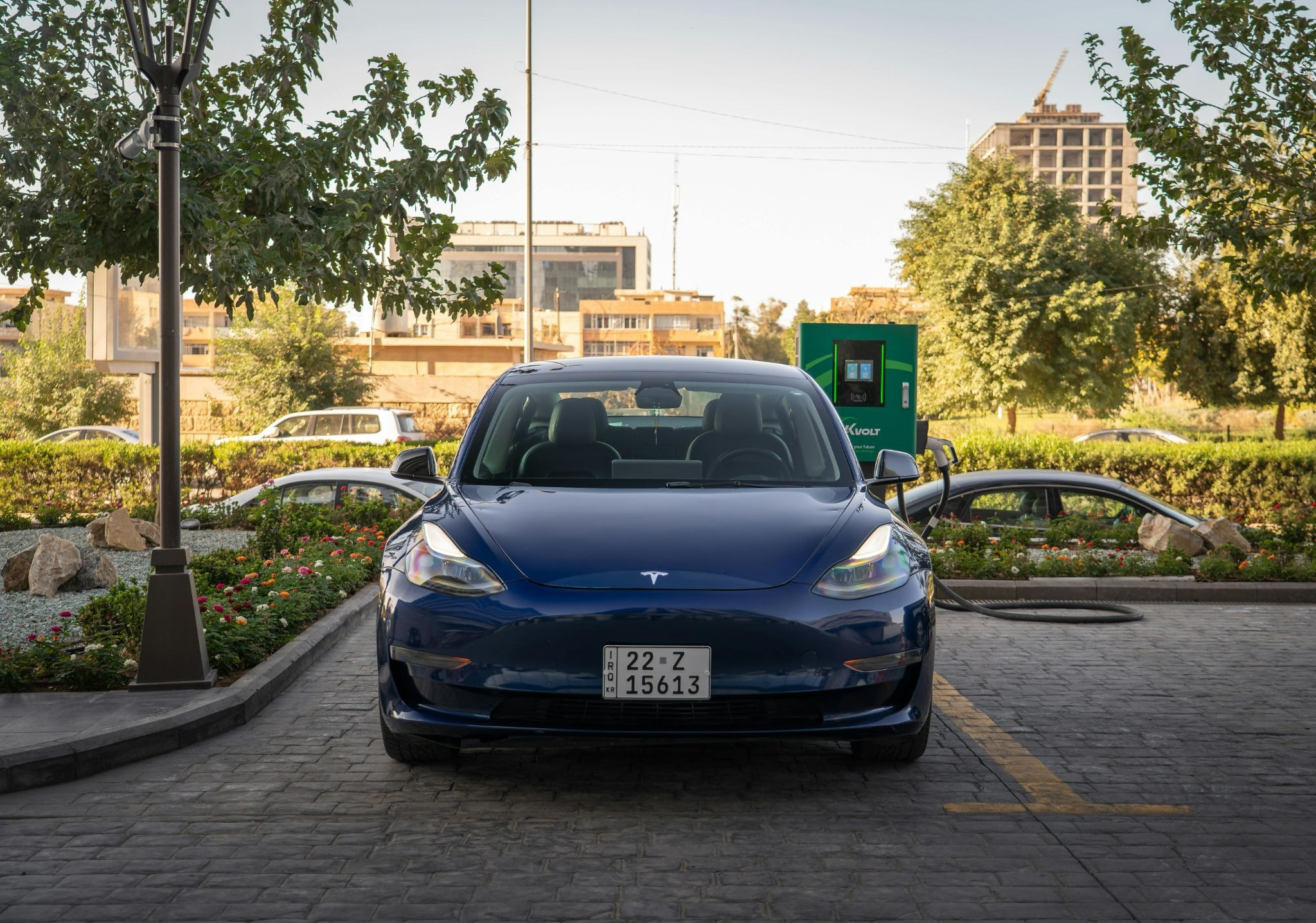
https://www.pexels.com//photo/tesla-model-3-35736763/
Two years ago, range anxiety was a real concern. Today? Less so. The global charging network has expanded dramatically. In the US alone, there are now over 180,000 public charging stations. Europe crossed the 1 million public charger milestone in early 2026.
Fast chargers — capable of adding 200 miles of range in under 20 minutes — are now common along major highways. Home charging remains the most convenient option for most drivers, with a Level 2 home charger adding roughly 25–30 miles per hour of charging overnight.
People assume EVs are expensive. The upfront price is often higher, yes. But total cost of ownership tells a different story. According to a 2025 Consumer Reports study, EV owners spend about 40% less on fuel and 30% less on maintenance compared to gasoline car owners over a five-year period.
No oil changes. Fewer brake replacements thanks to regenerative braking. Simpler drivetrains with fewer moving parts. These savings add up fast, especially for high-mileage drivers.
Here's something people don't talk about enough: modern EVs are essentially computers on wheels. Your car receives over-the-air (OTA) software updates, tracks your driving patterns, connects to mobile apps, and in some cases, communicates constantly with manufacturer servers.
This connectivity brings real benefits — remote diagnostics, performance improvements, new features without visiting a dealership. But it also introduces cybersecurity considerations that didn't exist with traditional vehicles. Protecting your digital footprint matters more than ever.
As EVs become smarter, drivers are spending more time online researching charging networks, comparing models, and accessing manufacturer portals that may not be available in every region. Cybersecurity isn't just for corporate IT departments anymore — it's relevant at the kitchen table when you're researching your next car purchase.
People depend too much on the digital world and hackers know it. Using a reliable VPN service like VeePN helps protect your connection when accessing EV-related platforms, especially on public Wi-Fi at charging stations or dealerships. VeePN provides an encrypted tunnel for your data, shielding your browsing habits and personal information from third-party tracking. Something worth considering as more of your life moves through a connected vehicle ecosystem.
Battery technology has moved fast. The dominant chemistry for years was NMC (nickel manganese cobalt). Now, LFP (lithium iron phosphate) batteries are gaining serious ground — they're cheaper, safer, and degrade more slowly over time.
Solid-state batteries are on the horizon. Toyota and several Chinese manufacturers have announced limited production runs for 2026. These promise higher energy density, faster charging, and longer lifespan. We're not at mass adoption yet, but the trajectory is clear.
Here's a practical truth: EPA range estimates are measured under ideal conditions. Real-world range is typically 10–20% lower, depending on temperature, driving speed, and climate system usage. Cold weather is particularly harsh on battery performance.
That said, current top-tier models regularly achieve 300+ miles of real-world range. The Tesla Model Y Long Range, the Hyundai IONIQ 6, and the Mercedes EQS all exceed 300 miles under normal driving conditions. For the average American driver who covers about 37 miles per day, range is rarely a practical problem.
In the US, the federal EV tax credit of up to $7,500 remains in place for qualifying vehicles — though income caps and vehicle price limits apply. Many states add their own incentives on top. Europe's incentive landscape varies significantly by country, with Norway and the Netherlands leading the way.
Watch this space carefully. Political winds affect subsidy programs, and several major economies are in the process of restructuring their EV incentive frameworks in 2026.
The EV community online is genuinely helpful. Forums like Reddit's r/electricvehicles, manufacturer-specific owner communities, and independent review channels on YouTube have made self-education easier than ever. Some of the most detailed technical guides, battery teardown analyses, and real-world range tests come from enthusiast communities, not press releases.
One practical note for international research: some manufacturer portals, regional incentive databases, or owner forum content may be geo-restricted. A free VPN for Chrome can resolve access issues when you're trying to reach a resource blocked in your region. This is handy when digging into spec sheets or regional pricing data.
The used EV market is expanding quickly, and prices have normalized significantly after the volatile years of 2021–2023. A three-year-old Nissan Leaf or Chevy Bolt can now be found for under $15,000 in many US markets.
When buying used, battery health is the key variable. Most modern EVs display state-of-health data through the onboard system or a compatible app. Aim for a battery retaining at least 80% of its original capacity — most manufacturers' warranties cover battery degradation below that threshold for 8 years or 100,000 miles.
Don't just test drive. Ask real questions. What's the battery warranty? Is the charging standard compatible with the most common local network? Does the manufacturer still support that model with software updates? What's the resale history for that vehicle in your market?
Talk to owners. Read real-world reviews from people who have driven the car through all four seasons. The EV ownership experience varies more by model and region than most traditional automotive purchases.
Electric vehicles in 2026 are not a niche product or an experiment. They are a mainstream, practical, and increasingly cost-effective choice for most drivers. The infrastructure is improving monthly. The technology is mature and still evolving.
The transition asks something of drivers: a small shift in habits, a willingness to learn a new ownership model, and a bit of upfront research. That investment pays off. The drivers who understand the technology — its strengths, its quirks, and its digital dimensions — will get the most out of it.
.jpg)
.jpg)