China’s Used Car Exports Set for “Doubling Year”: African Zero-Tariff Policy and Compliance Upgrades Drive Growth
Release Date : 2026-05-13
Views :
Share:
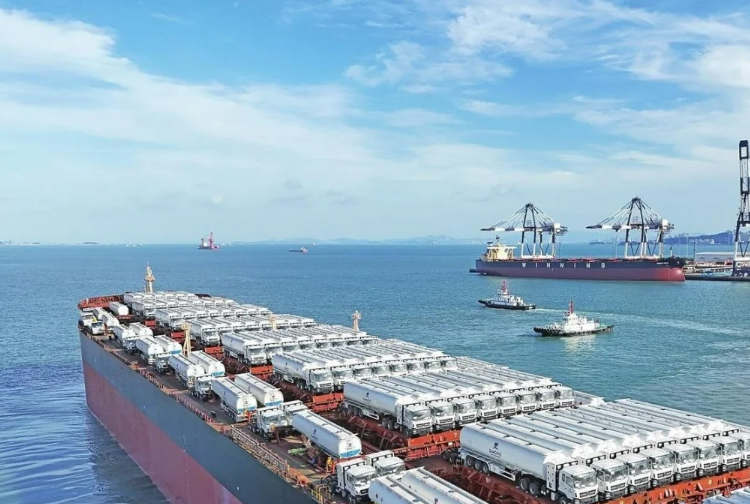
Beijing, May 8, 2026 — China’s used car export industry is entering a pivotal phase. On May 1, 2026, China implemented a full zero-tariff policy for 53 African countries, coinciding with the enforcement of new export compliance regulations that came into effect earlier this year. Industry experts say these twin measures have already driven first-quarter export volumes to double year-on-year, with annual shipments projected to exceed 1.2 million vehicles.
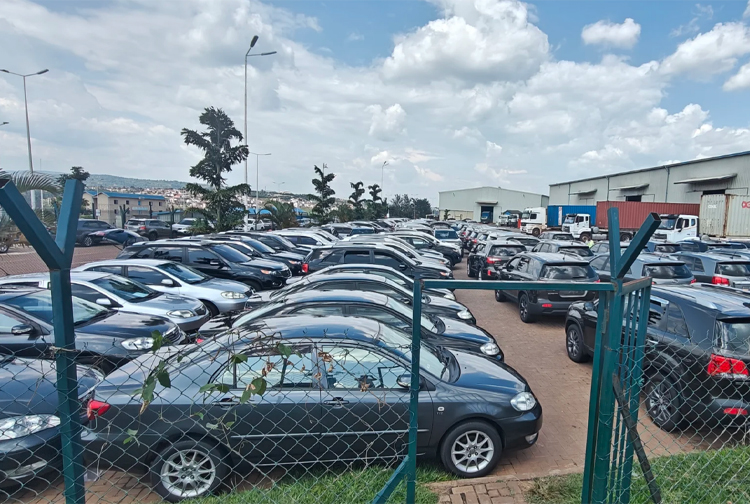
Africa: Zero-Tariff Benefits Realized Quickly Chen Jianguo, head of a used car export company in Taizhou, Zhejiang, said, “On the very first day the policy took effect, my phone was flooded with inquiries from African clients.” Chen, who has three years of experience exporting used vehicles primarily to Nigeria and Kenya, added, “Previously, high tariffs meant we focused on high-margin models. Now, with zero tariffs, orders for economy sedans and pickup trucks have surged by 60%.” According to the State Council Tariff Commission, from May 1, 2026, to April 30, 2028, China will apply zero tariffs to used cars exported to the 53 African countries. Previously, import tariffs ranged from 20% to 70%, meaning the new policy effectively reduces local retail prices for Chinese used cars by 25%-33%. Olu Adebayo, a local car dealer in Lagos, Nigeria, commented, “After the zero-tariff policy, a Toyota Corolla of the same year is almost 30% more expensive than a Chinese BYD Qin. Electric vehicles with over 200 km range are especially popular.” Compliance Regulations: Safer and More Transparent Exports The new export regulations, effective January 1, 2026, require vehicles registered for less than 180 days to provide the manufacturer’s after-sales service confirmation before export. All exported vehicles must pass third-party CMA/CNAS certification covering safety, emissions, and overall condition. Data from the China Automobile Dealers Association shows that over 70% of exported vehicles are genuine used cars, aged 3-5 years, accident-free, and with complete maintenance records, improving overseas buyer confidence.
Growth in Russia and Southeast Asia Russian Avtostat data indicates that in April 2026, Chinese used cars accounted for 22.7% of the Russian import market, up from 11% in April 2025. Models such as the Chery Arrizo 5 and Haval H6, known for their cold-weather durability, are particularly popular. In Southeast Asia, reliance on the China-Laos railway has cut logistics costs by approximately 40%. Right-hand-drive models like the Wuling Hongguang and Suzuki Every are now widely used for ride-hailing services, yielding profits of 6,000 to 12,000 RMB per vehicle. Logistics and After-Sales Support Industry insiders highlight that China-Russia and China-Central Asia land routes remain reliable, with first-week May exports up 8% month-on-month. The China-Europe freight trains offer 12-15 day delivery times, roughly twice as fast as sea transport. Leading exporters are establishing 3-6 month warranties and spare parts supply in Africa and the Middle East, with used electric vehicle batteries required to retain at least 80% health, signaling a shift toward high-quality exports. Industry Outlook With zero-tariff policies in place and compliance systems improving, top companies project that new-energy used vehicles will make up over 15% of 2026 exports. Profit margins in Africa, the Middle East, and Southeast Asia could reach 10%-15%. Analysts believe China’s used car exports are transitioning from “scale-driven” to “high-quality, compliant, and locally serviced” operations. China’s Used Car Exports Set for “Doubling Year”: African Zero-Tariff Policy and Compliance Upgrades Drive Growth Beijing, May 8, 2026 — China’s used car export industry is entering a pivotal phase. On May 1, 2026, China implemented a full zero-tariff policy for 53 African countries, coinciding with the enforcement of new export compliance regulations that came into effect earlier this year. Industry experts say these twin measures have already driven first-quarter export volumes to double year-on-year, with annual shipments projected to exceed 1.2 million vehicles. Africa: Zero-Tariff Benefits Realized Quickly Chen Jianguo, head of a used car export company in Taizhou, Zhejiang, said, “On the very first day the policy took effect, my phone was flooded with inquiries from African clients.” Chen, who has three years of experience exporting used vehicles primarily to Nigeria and Kenya, added, “Previously, high tariffs meant we focused on high-margin models. Now, with zero tariffs, orders for economy sedans and pickup trucks have surged by 60%.” According to the State Council Tariff Commission, from May 1, 2026, to April 30, 2028, China will apply zero tariffs to used cars exported to the 53 African countries. Previously, import tariffs ranged from 20% to 70%, meaning the new policy effectively reduces local retail prices for Chinese used cars by 25%-33%. Olu Adebayo, a local car dealer in Lagos, Nigeria, commented, “After the zero-tariff policy, a Toyota Corolla of the same year is almost 30% more expensive than a Chinese BYD Qin. Electric vehicles with over 200 km range are especially popular.” Compliance Regulations: Safer and More Transparent Exports The new export regulations, effective January 1, 2026, require vehicles registered for less than 180 days to provide the manufacturer’s after-sales service confirmation before export. All exported vehicles must pass third-party CMA/CNAS certification covering safety, emissions, and overall condition. Data from the China Automobile Dealers Association shows that over 70% of exported vehicles are genuine used cars, aged 3-5 years, accident-free, and with complete maintenance records, improving overseas buyer confidence. Growth in Russia and Southeast Asia Russian Avtostat data indicates that in April 2026, Chinese used cars accounted for 22.7% of the Russian import market, up from 11% in April 2025. Models such as the Chery Arrizo 5 and Haval H6, known for their cold-weather durability, are particularly popular. In Southeast Asia, reliance on the China-Laos railway has cut logistics costs by approximately 40%. Right-hand-drive models like the Wuling Hongguang and Suzuki Every are now widely used for ride-hailing services, yielding profits of 6,000 to 12,000 RMB per vehicle.
Logistics and After-Sales Support Industry insiders highlight that China-Russia and China-Central Asia land routes remain reliable, with first-week May exports up 8% month-on-month. The China-Europe freight trains offer 12-15 day delivery times, roughly twice as fast as sea transport. Leading exporters are establishing 3-6 month warranties and spare parts supply in Africa and the Middle East, with used electric vehicle batteries required to retain at least 80% health, signaling a shift toward high-quality exports. Industry Outlook With zero-tariff policies in place and compliance systems improving, top companies project that new-energy used vehicles will make up over 15% of 2026 exports. Profit margins in Africa, the Middle East, and Southeast Asia could reach 10%-15%. Analysts believe China’s used car exports are transitioning from “scale-driven” to “high-quality, compliant, and locally serviced” operations.



.jpg)

.jpg)
.jpg)
.jpg)


