
Go around the back of a plant that's still going up and you'll see things the press photos never show. Bundles of steel joists sitting in the mud. A generator on its pad with the shrink wrap still on. A crate somebody stenciled "do not drop" in red paint, as if anybody was planning to. None of it came in a box tru`ck. Factories get built out of heavy, odd-shaped freight, and a surprising amount of it is wider than the lane it rides in on.
Most reshoring stories stop at the dollar figure and the guys in hard hats holding gold shovels. You don't hear about the flatbed freight booked six weeks ahead because the air handlers were too tall for a van and the crane crew needed them on a Tuesday, not a Thursday.
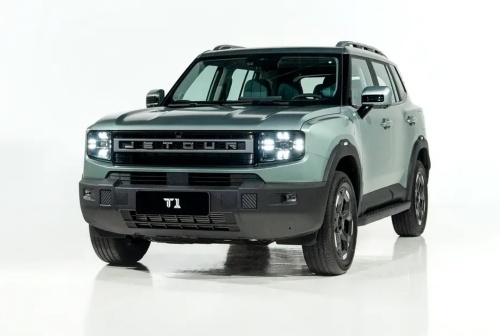
Carmakers are part of it, too. American brands keep pushing into electrification with models like the 2026 Ford Mustang Mach-E GT, and every new EV or battery program comes with its own wave of hiring announcements.
Now picture what's behind those announcements. A lot of those jobs need a new building first, or at least a big expansion, and that means truckload after truckload of steel and machinery before anybody punches a time clock.
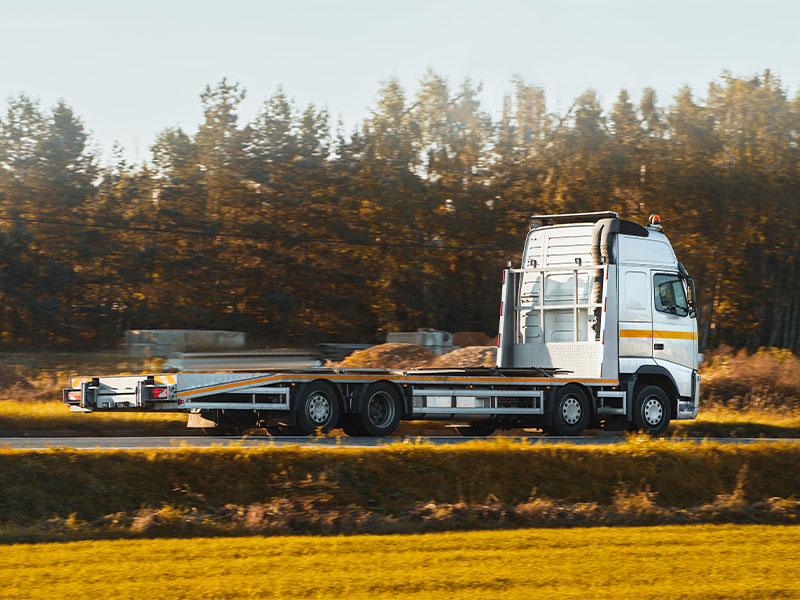
When shippers book trucks, they mostly book dry vans and reefers. That's the bulk of the fleet. Open-deck carriers are a much smaller group, and they get to be choosy about loads and lanes. Say you've got a piece of equipment that's fourteen feet wide. It'll probably need a permit in every state it crosses and escorts in some of them, and at least one state on the route won't let it move after dark. Flatbed freight like that is its own line of work. Plenty of carriers who'll happily run a sealed trailer down I-80 all week want nothing to do with it.
The trailer matters as much as the carrier. A standard flatbed deck sits about five feet off the ground, so anything taller than roughly eight and a half feet starts bumping into height limits that top out at 13.5 feet in many states. A step deck drops the rear section a couple of feet and buys some room. For really tall or heavy pieces, like transformers, presses or big chillers, you're looking at a removable gooseneck, or RGN, where the front detaches so the equipment can roll right onto the deck. Width works the same way. Anything over 8.5 feet is legally oversize, and once the gross weight goes past 80,000 pounds it's a different permit altogether, sometimes with a route survey attached. Every one of those steps shrinks the pool of trucks that can take the job and pushes the price up with it.
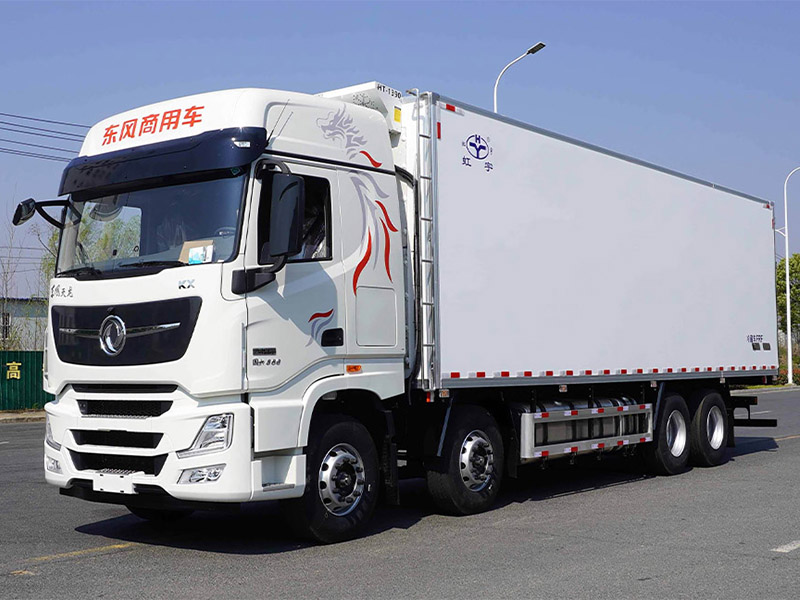
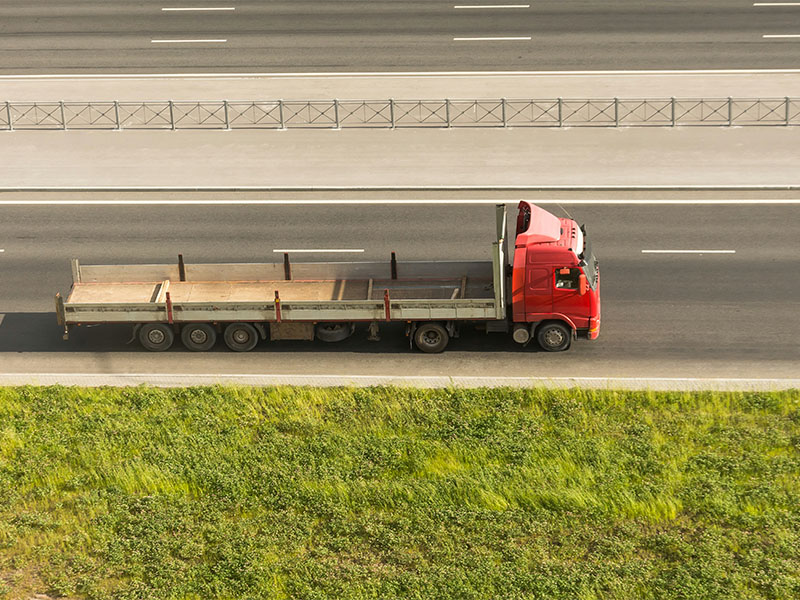
The first mistake is measuring with a spec sheet. Somebody copies the height off a PDF, and on pickup day the crate is six inches taller because of the skid underneath. Another one is calling about trucking after the delivery date is already set in stone, so there's no wiggle room left. Then there's the shipper who figures a flatbed is a flatbed. Not every driver has hauled a permitted load, so ask before you book.
Most of these headaches go away with a little homework up front. Measure the actual freight, crate and skid included, and get a real weight instead of an estimate. Tell the carrier what's waiting at both ends. Is there a forklift or a crane on site, and can a 53-foot trailer even make the turn through the gate on a muddy construction road? Ask whether the load needs tarps, since a lot of electrical gear and machined parts can't ride uncovered, and confirm who's bringing the chains, straps and edge protectors. Then book early. For permitted loads, two to three weeks of lead time is a sensible minimum, and longer if escorts or a route survey are involved. A carrier who asks a lot of questions on the first call isn't being difficult. Usually that's the one who's done this before.
Plants will keep opening, and the hiring announcements will keep coming. Behind a lot of them there's a truck with an oversize load banner on the bumper, parked at a rest area somewhere and waiting for sunrise so it can finish the trip.

.jpg)


.jpg)
.jpg)
.jpg)
.jpg)


