
In today’s world of frequently fluctuating fuel prices, ownership cost has become a key factor for consumers choosing a luxury mid-size sedan. Brand prestige and sporty handling alone are no longer enough to attract younger global buyers.For the 2026 BMW 3 Series, known for its dynamic driving character, the B48 engine paired with a 48V mild-hybrid system has gone through multiple generations of technical evolution. Has it maintained the traditional high-performance character of German cars, or achieved a new balance between performance and efficiency?To answer this question objectively, we conducted a comprehensive fuel consumption test and introduced the Audi A4L 40 TFSI as a direct competitor. Both vehicles were tested under identical conditions with synchronized data collection.The test variables were strictly controlled. Both cars were production models from the same year and powertrain category. The test route covered urban congestion during morning rush hour, urban expressways, and highway cruising sections, with a total test distance of approximately 100 km.Before the test, tire pressure on both vehicles was adjusted to the manufacturer’s recommended value. Driving mode was set to comfort throughout the test, and the air conditioning was fixed at 24°C with automatic fan speed, minimizing external factors affecting fuel consumption.
.jpg)
.jpg)
Under urban congestion conditions, the 2026 BMW 3 Series recorded a displayed fuel consumption of 9.2 L/100 km, representing a clear improvement over the previous generation.This improvement is largely due to the upgraded 48V mild-hybrid system. During frequent stop-and-go traffic, the electric motor assists engine operation and significantly reduces pure idling time, improving both the smoothness and fuel-saving efficiency of the start-stop system.Under the same conditions, the Audi A4L 40 TFSI recorded 9.5 L/100 km. While the difference is not dramatic, the BMW’s 8-speed automatic transmission demonstrates smoother gear logic during low-speed following traffic, reducing unnecessary downshifts and high-RPM situations, giving it a slight advantage in daily commuting scenarios.
During highway testing, both vehicles maintained a constant speed of 100–120 km/h.The 2026 BMW 3 Series delivered an impressive 6.1 L/100 km fuel consumption. This strong performance stems largely from the precise calibration of the ZF 8-speed automatic transmission, which keeps engine speed below 1500 rpm during cruising. Combined with optimized aerodynamics, this results in excellent fuel efficiency.Under the same conditions, the Audi A4L 40 TFSI recorded 5.9 L/100 km. Thanks to the lower mechanical losses of its dual-clutch transmission, it holds a slight advantage during highway cruising. However, the 0.2 L difference per 100 km is practically negligible in real-world usage.
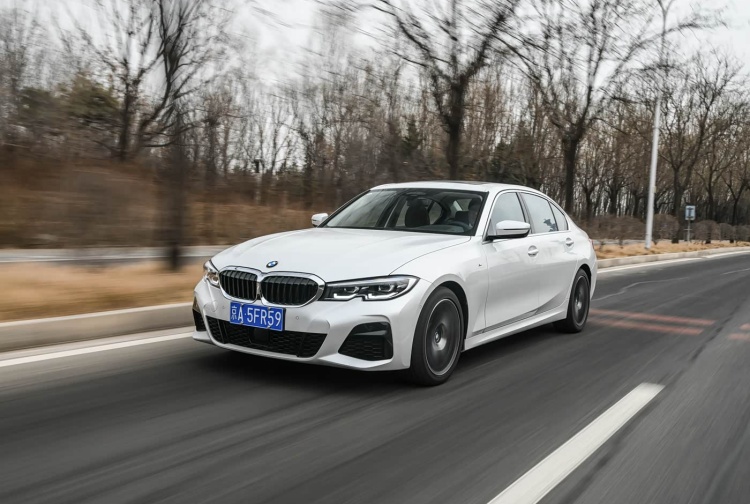
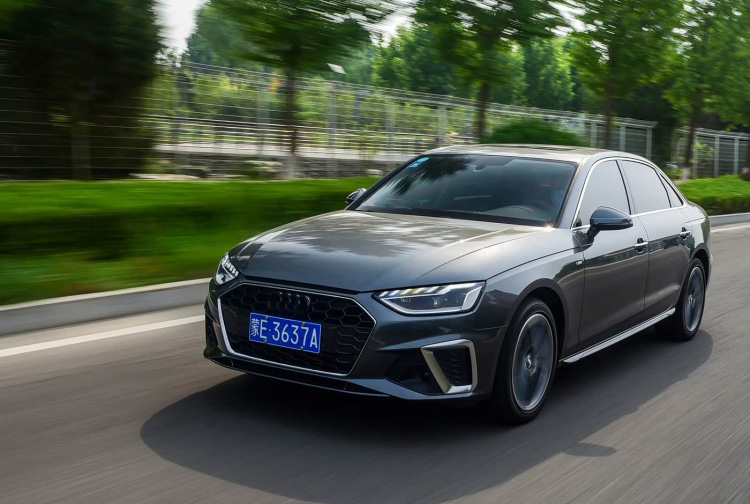
Across all test conditions, the 2026 BMW 3 Series achieved an overall average fuel consumption of 7.6 L/100 km.This figure closely matches the 7.5–8.5 L/100 km range reported by global owners, demonstrating that this iconic sports sedan has completely shed its former high-fuel-consumption reputation and now ranks among the most efficient vehicles in the luxury mid-size segment.
As two benchmark models in the luxury mid-size sedan segment, the BMW 3 Series and Audi A4L differ significantly beyond fuel consumption figures.After multiple generations of evolution, the 2026 BMW 3 Series continues BMW’s aggressive design language. The iconic kidney grille, paired with sharp LED headlights, creates a bold front face. The body lines are clean and athletic, and the standard M Sport package across the lineup enhances the sporty character. The coupe-style rear and dual exhaust layout emphasize performance aesthetics, while the lower visual center of gravity makes the car appear dynamic and agile.The Audi A4L, on the other hand, continues its classic design philosophy with a refined evolution. The signature hexagonal grille and upgraded full-width LED tail lights deliver excellent nighttime recognition. The body lines remain clean and balanced, projecting a blend of business elegance and family-friendly practicality suitable for various travel scenarios.
Inside the cabin, the two models follow very different design philosophies.The Audi A4L focuses on practicality and technological comfort. The interior features extensive soft-touch materials that enhance the premium feel. It comes standard with a large dual-screen layout powered by a flagship-level infotainment chip, offering smooth operation and broad smartphone connectivity.In terms of space, its extended wheelbase provides generous rear-seat legroom. The wide cabin allows three passengers to sit comfortably in the rear, while the foldable rear seats increase cargo flexibility, making it ideal for family travel.The BMW 3 Series, meanwhile, maintains its driver-focused cockpit design. A 12.3-inch digital instrument cluster and 14.9-inch curved display form the intelligent cockpit powered by the iDrive 8.5 system, supporting touch, voice, and gesture interaction. The classic iDrive rotary controller is also retained, providing convenient blind operation.In terms of space, the 3 Series offers strong wheelbase dimensions and a practical trunk capacity. The sport seats deliver excellent side support and comfort, making long journeys particularly enjoyable.
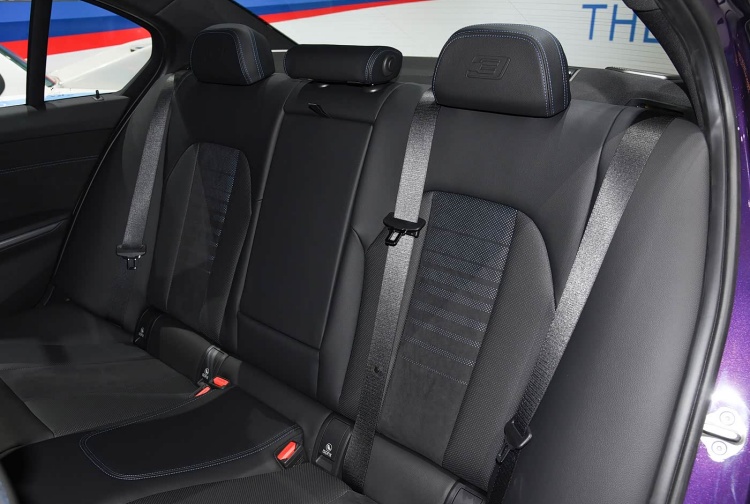
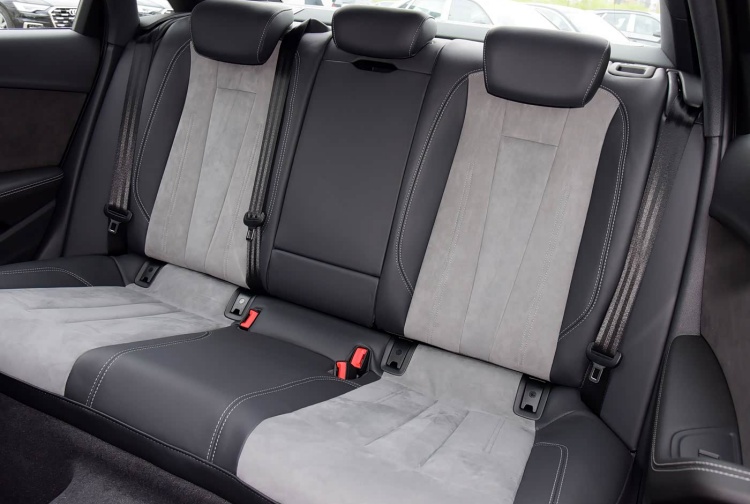
Power and driving dynamics represent the core differences between the two models.The Audi A4L lineup uses 2.0T engines in both high- and low-output versions, paired with a 7-speed wet dual-clutch transmission. Power delivery is smooth and linear, capable of handling daily commuting and highway overtaking with ease. The suspension tuning focuses on comfort, effectively absorbing road imperfections. Higher trims feature the quattro intelligent all-wheel-drive system, providing strong traction and stability on wet or complex road surfaces.The BMW 3 Series also offers high- and low-output 2.0T engines, paired with the renowned 8-speed automatic transmission. Power delivery is smooth and responsive, with seamless gear changes. Steering precision is excellent with minimal play, and the front double-joint spring strut suspension combined with a rear five-link setup provides tight and confident chassis control. During cornering, body roll is minimal, creating the true “driver-car unity” experience BMW is famous for. Higher trims offer the BMW 3 Series AWD system, further enhancing handling capability on challenging road conditions.
When it comes to ownership cost and value, the two vehicles also present clear differences.Maintenance and insurance costs are similar, though the Audi A4L has a slight advantage in long-term servicing costs and annual insurance expenses, resulting in slightly lower yearly ownership costs.In terms of purchase price, the Audi A4L price generally offers a lower entry threshold in the market. At similar configuration levels, its transaction price tends to be more competitive, giving it a stronger value proposition.The BMW 3 Series price, however, varies according to power and equipment levels. Flexible BMW 3 Series lease programs significantly reduce the upfront purchase cost.Globally, the BMW 3 Series for sale lineup is also extremely diverse. In addition to the classic sedan version, there is the practical BMW 3 Series Wagon, which combines driving dynamics with increased cargo capacity. The wide range of BMW 3 Series accessories also allows owners to personalize their vehicles.
Overall, the BMW 3 Series and Audi A4L do not have an absolute winner. Instead, the choice depends on the buyer’s priorities.If you value balanced practicality, lower ownership costs, and a versatile luxury sedan suitable for family, business, and long-distance travel, the Audi A4L is an excellent choice.However, if you prioritize pure driving pleasure, brand heritage, and precise handling, and want a car that combines daily practicality with exciting driving dynamics, the 2026 BMW 3 Series remains the ultimate choice.
If you would like to learn more about the BMW 3 Series or Audi A4L, or need professional advice on choosing the right vehicle, feel free to contact us. We will provide personalized guidance and help you find the luxury car that best fits your needs.
A: The real-world combined fuel consumption of the 2026 BMW 3 Series averages 7.6 L/100 km. Urban congestion shows 9.2 L/100 km, while highway cruising drops to 6.1 L/100 km. The difference mainly results from frequent stop-and-go traffic in cities.
A: The Audi A4L 40 TFSI delivers smooth and linear power output, with quick shifts from the dual-clutch transmission. Its suspension focuses on comfort and road isolation, making it ideal for family use and long commutes. The BMW 3 Series offers faster throttle response, smoother gear shifts from the 8AT transmission, and sharper steering precision, making it better suited for drivers seeking engaging performance.
A: The BMW 3 Series AWD version features BMW’s intelligent all-wheel-drive system, delivering improved traction and stability on wet, snowy, or uneven surfaces while preserving the vehicle’s signature handling characteristics.
A: Key upgrades include improved fuel efficiency thanks to the 48V mild-hybrid system, the new iDrive 8.5 infotainment system, and further optimization of chassis and transmission tuning for better comfort without sacrificing driving dynamics.
A: The classic Audi design language continues with refined body lines while adding upgrades such as full-width LED tail lights, larger dual displays, and improved suspension tuning for better ride comfort.
A: The BMW 3 Series Wagon retains the dynamic driving characteristics of the sedan while offering significantly increased cargo capacity, making it ideal for drivers who want both driving enjoyment and practical space for family trips or outdoor activities.
A: Leasing significantly lowers the initial cost of ownership. Instead of paying the full purchase price upfront, drivers pay fixed monthly installments and can later choose to buy the vehicle, upgrade to a new model, or end the lease.
A: BMW 3 Series accessories include interior storage solutions, comfort-enhancing seat accessories, and exterior styling upgrades such as sporty body kits, allowing owners to improve practicality and personalize their vehicle.
A: The Audi A4L generally has a lower entry price and competitive value due to its standard features and lower ownership costs. The BMW 3 Series focuses more on driving performance and offers flexible pricing depending on configuration and leasing options.
A: The global BMW 3 Series lineup includes multiple engine options, sedan and wagon body styles, as well as rear-wheel-drive and all-wheel-drive variants. This wide range allows buyers with different budgets and driving needs to find the ideal model.

.jpg)
.jpg)
.jpg)


