
As the concept of low-carbon mobility continues to gain traction, electric vehicles are becoming increasingly popular. As an industry benchmark, Tesla has become the top choice for many consumers thanks to its reliable performance and high efficiency. At the same time, however, a question that troubles the vast majority of Tesla owners has emerged: is it really safe to charge a Tesla on a rainy day?
I completely understand this concern—after all, in common sense, electricity and water are natural “enemies,” and when they meet, people instinctively worry about risks such as electric shock or short circuits. But today, I want to give you a clear and definitive answer: charging a Tesla in the rain is completely safe.
Tesla’s onboard charging components are equipped with multiple layers of sophisticated safety protection, all intelligently managed by the vehicle’s computer system. Power will only be delivered after the system confirms that the environment is fully safe, fundamentally eliminating risks such as electric shock or equipment failure. More importantly, Tesla Wall Connectors, Superchargers (SuC), and the vehicle’s own charging port are all designed with strict weather-resistance standards, allowing them to easily handle rain, snow, cold waves, and other complex humid conditions, ensuring a stable and safe charging process.
There is, however, one important detail that deserves special attention: the Gen2 Mobile Connector (the portable charger commonly used with household wall outlets) is not suitable for direct use in wet environments. If you must use it to charge in the rain, it must be paired with a waterproof enclosure and a dedicated wall outlet, with comprehensive moisture protection in place. Otherwise, potential safety hazards may arise.
Next, I will break down the safety considerations for charging a Tesla in rainy or humid conditions across different charging scenarios, while also sharing several practical safety tips to help you completely eliminate concerns and charge with peace of mind.
.jpg)
The answer is yes—and there is no need for extra worry. Tesla’s charging system features intelligent protection mechanisms, with the onboard computer continuously monitoring the charging environment. If any potential risks such as short circuits or current leakage are detected, the system will immediately cut off power to prevent accidents. In addition, the weather-resistant design of all charging components effectively protects against moisture intrusion. As long as the charging port and cables are not submerged in standing water, charging in the rain will not be an issue.
Below, we’ll go through different charging scenarios in detail and explain the key precautions for each method in humid conditions, helping you avoid common pitfalls with precision.
Scenario One: Charging with a Tesla Wall Connector.
If you have a Tesla Wall Connector installed at home, you can charge with complete confidence even on rainy days. This connector meets the NEMA 3R protection rating, effectively resisting dust, rain, sleet, and snow, offering robust protection. Both the plug and socket are fully waterproof, making the unit suitable for indoor installation as well as direct outdoor use. Even when exposed to rain or snow over long periods, it can operate reliably. The entire system is also equipped with intelligent monitoring; once an abnormality is detected, power delivery stops immediately, providing comprehensive charging safety. Of course, for maximum peace of mind, always follow Tesla’s official safety guidelines.
Scenario Two: Charging at a Tesla Supercharger (SuC).
For Tesla owners who frequently travel long distances, Superchargers are indispensable. A common concern is whether it’s safe to charge at uncovered outdoor Supercharger stations during rainy weather. The answer is an unequivocal yes. Tesla Superchargers are designed specifically for complex outdoor environments and feature excellent weather resistance, easily handling rain, snow, and sleet—even without overhead shelter. The connectors, plugs, and sockets at Supercharger stations all undergo special waterproof treatment, ensuring that charging in wet conditions does not result in leakage or short circuits. So if you come across a Supercharger on a rainy day, you can recharge your vehicle without hesitation.
Scenario Three: Charging with the Gen2 Mobile Connector.
This is the most convenient everyday home charging method, but also the one that requires the most caution in humid conditions. The Gen2 Mobile Connector itself does not feature weather-resistant design and is not recommended for direct use in rain or damp environments. If emergency charging is unavoidable, you must prepare a waterproof box to house the plug securely and pair it with a dedicated wall outlet, ensuring rainwater does not come into contact with the charging interface.
Additionally, if you do not have a Wall Connector installed and regularly use the Gen2 Mobile Connector at home, you may rely on an extension cord. In warm, dry weather, this is generally fine. However, in rainy or humid conditions, it is critical to ensure that both the charger and the extension-cord connection points are not exposed to rain, preventing water intrusion and electrical failure. One more key reminder: the extension cord must be an outdoor-rated model designed for wet environments. Never use an indoor extension cord outdoors—indoor cords lack moisture protection and pose a serious safety risk in damp conditions.
.jpg)
Just like charging in the rain, charging in snow is also completely safe. As long as the charging port is not frozen over, you can connect the vehicle to a Wall Connector or Supercharger and charge normally. Snow has much lower electrical conductivity than water, meaning the risk of electric shock during charging is even lower. That said, keeping electrical connection points dry remains an important detail that should not be overlooked.
There is, however, one exception that must be emphasized: charging during thunderstorms with lightning is strongly discouraged. Tesla’s official manuals clearly state that sudden current surges during such weather can damage the vehicle’s charging system. Even though Wall Connectors and Superchargers have excellent waterproof performance, they cannot fully withstand the extreme electrical impacts caused by lightning. If a thunderstorm occurs, it is best to wait until the storm has completely passed before charging. If lightning begins while charging is already in progress, unplug the charger promptly and move the vehicle to a safe location to avoid potential damage.
Finally, let’s summarize the core safety precautions for charging a Tesla in humid environments. Remember these points, and you can eliminate charging concerns entirely:
First, whenever possible, park and charge the vehicle in a covered or sheltered area to minimize direct exposure of charging components to rain.
Second, if the charging port or connector becomes wet, be sure to dry it thoroughly before connecting to prevent residual moisture from causing issues.
Third, when using the Gen2 Mobile Connector, always use a waterproof enclosure and ensure proper moisture protection at all interfaces.
Fourth, if an extension cord is required, choose an outdoor-rated model suitable for wet environments, and ensure all connection points remain dry and free of standing water throughout the charging process.
In summary, rainy days, snowy days, and sleet will not affect normal Tesla charging. The key is choosing the right charging equipment and applying basic protective measures: Wall Connectors and Superchargers can be used directly in wet environments; the Gen2 Mobile Connector must be paired with a waterproof box; and charging should be paused during thunderstorms. By following these guidelines and paying attention to details, every Tesla owner can safely and smoothly recharge their vehicle in all kinds of weather and enjoy the convenience of low-carbon travel with ease.
I hope this practical guide fully resolves your concerns about whether it’s safe to charge a Tesla in the rain. Wishing every owner safe driving and worry-free journeys.
We currently have Tesla Model 3, Tesla Model Y, and Tesla Model Y L available for sale. You are welcome to contact us for pricing and configuration details.
Latest Tesla News:
What Is Tesla Model 3 Wrap? And Why Do You Need It?
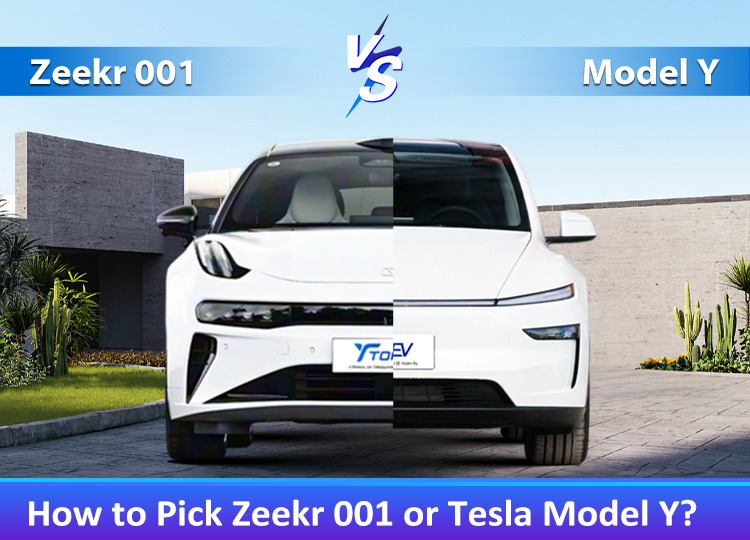
How to Pick Zeekr 001 or Tesla Model Y? 3 Key Expert Comparisons & Pitfall Tips

.png)
.jpg)
.jpg)
.jpg)
.jpg)
.jpg)
.jpg)


