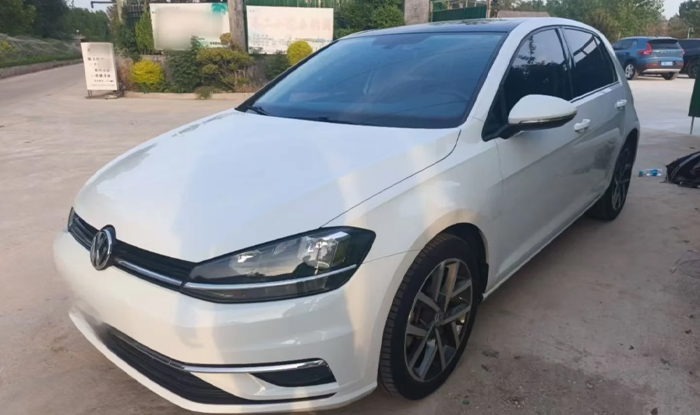
If your goal is simply to buy a fuel-efficient, reliable, low-maintenance daily driver that won’t cost much to own over the next few years, then honestly, older Volkswagen Golf models — especially early Mk7 versions from 2013-2015 — may not be the smartest choice for budget-conscious buyers.
The reason is simple.
A lot of people buy the Golf because they focus on the strong handling, solid German build quality, turbo performance, and timeless hatchback design. But after owning one for several years, many drivers eventually begin facing issues like DSG hesitation at low speeds, rising repair costs, aging turbochargers, and declining resale value.
To put it simply:
The Golf isn’t a bad car to drive — many people just underestimate the long-term ownership cost.
Because the Golf still offers something many ordinary commuter cars simply can’t.
Most first-time Golf drivers notice the same thing immediately:
“This car doesn’t feel like a normal economy hatchback.”
The difference becomes especially obvious at highway speeds. Whether it’s lane changes, cornering, or high-speed stability, the Golf’s chassis feels noticeably more solid and composed compared to many budget Japanese compact cars.
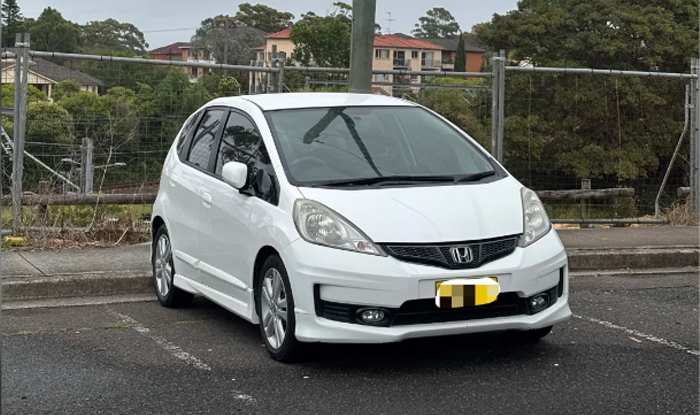
If you previously drove cars like the Honda Fit, Toyota Yaris, or Toyota Vios, then switch to a Golf, you’ll likely notice the car feels more planted and refined.
That’s exactly why the Golf has maintained such a loyal following for years.
Many buyers think:
“Golf prices have dropped a lot, so it must be a great bargain.”
Not necessarily.
Buying the car cheaply does not always mean owning it cheaply — especially older 1.4T + DSG models.
Not quite as terrible as internet rumors suggest.
The real issue is this:
DSG reliability depends heavily on how the vehicle was maintained and driven.
Some Golfs with full dealership service history, stock ECU software, and careful driving habits can run for years without major problems.
But in the used car market, the biggest risk is that you rarely know how the previous owner treated the car.
Many younger owners bought the Golf specifically for “hot hatch” fun, aggressive acceleration, ECU tuning, and spirited driving. Hard launches, modified software, and frequent aggressive driving are extremely common in the used Golf market.
Many people don’t notice anything during a short test drive.
But once you start using the car daily in heavy traffic — crawling through parking garages, bumper-to-bumper traffic, or stop-and-go city driving — some DSG-equipped Golfs may feel slightly jerky at low speeds.
That doesn’t necessarily mean the transmission is broken.
It’s simply very different from the smooth, seamless feel of a Japanese CVT transmission. First-time drivers and beginners tend to notice this more.
At first, many people think:
“It’s acceptable.”
But after months of daily traffic jams, the discomfort becomes more noticeable.
Direct conclusion:
If smoothness and comfort matter most to you, Japanese CVT models will generally feel easier to live with.
Many buyers with a budget around $7,000-$9,000 start looking at older Golfs.
At that price point, you’ll usually end up with:
And unfortunately, many expensive problems only begin appearing as the car ages.
A lot of cheap Golfs seem like bargains initially, but later owners discover the real cost comes from repairs and maintenance.
If you truly want a used Golf, the Mk7.5 generation is currently the sweet spot.
Compared to earlier versions, the 7.5 feels significantly more mature overall, and its design still looks modern today.
Of course, the key is finding:
When shopping for a Mk7.5, these are generally the safer choices:
The performance is less exciting, but ownership tends to be simpler and more reliable long-term.
For first-time car buyers, strong turbo power often isn’t necessary anyway.
Wet DSG transmissions are generally more reliable than early dry-clutch DSG systems, especially in heavy traffic conditions.
The driving experience difference becomes very noticeable in stop-and-go city commuting.
The Golf is not a car for everyone.
Online, people often call it a “perfect all-around car,” but in reality, it suits a very specific type of owner.
For these drivers, the Golf genuinely delivers enjoyable driving dynamics.
If unexpected repair bills would cause financial stress, a Golf may not be ideal.
German cars can easily become more expensive to maintain than many people expect.
Many beginners focus only on:
But with a Golf, the most important things are:
These matter far more than optional features.
If your daily routine involves:
Then Japanese CVT vehicles are usually easier and more comfortable to live with.
Many buyers underestimate DSG low-speed behavior until they experience it every day.
Personally, I would avoid early DSG Golfs entirely.
Instead, I’d rather choose:
The reason is simple:
Lower stress and lower ownership costs.
This is the ideal range to seriously consider a Golf Mk7.5.
Especially examples with:
These can still be excellent cars.
At this price level, the market opens up significantly.
You could also consider:
At that point, the Golf is no longer the only compelling option.
Many buyers inspect:
But forget to carefully check for flood damage — especially after typhoon or rainy seasons in southern regions.
This is especially important because DSG systems are highly sensitive to water intrusion.
Some flood-damaged cars may appear perfectly normal initially, but electronic transmission module failures later can become extremely expensive to repair.
When buying a used Golf, always investigate water damage history carefully.
Yes — but only if you clearly understand what you actually want from the car.
If you value:
Then the Golf still remains highly appealing.
But if your priorities are:
Then many Japanese vehicles may simply make more sense for the average family.
Final thought:
People who truly love the Golf usually don’t buy it because it’s cheap — they buy it because they genuinely enjoy the way it drives.
Not necessarily. DSG reliability depends heavily on maintenance history and driving habits. Prioritize vehicles with full dealership service records, stock ECU software, and no signs of aggressive driving. Wet-clutch DSG systems are generally more reliable than early dry-clutch versions.
It’s difficult. Most Golfs in this price range are older, higher-mileage early-generation models with higher long-term risk. Japanese naturally aspirated vehicles are often safer choices at this budget.
The Mk7.5 (2017-2020) improved styling, technology, infotainment systems, and overall refinement. It is generally considered the safer and more mature option in today’s used car market.
Beyond normal accident inspection, pay close attention to:
.jpg)
.jpg)